Guides
Explainers and how-to guides for the ESP32 family: chips, pins, flashing, power, partitions and the tools makers use to build connected gadgets.
- 11posts
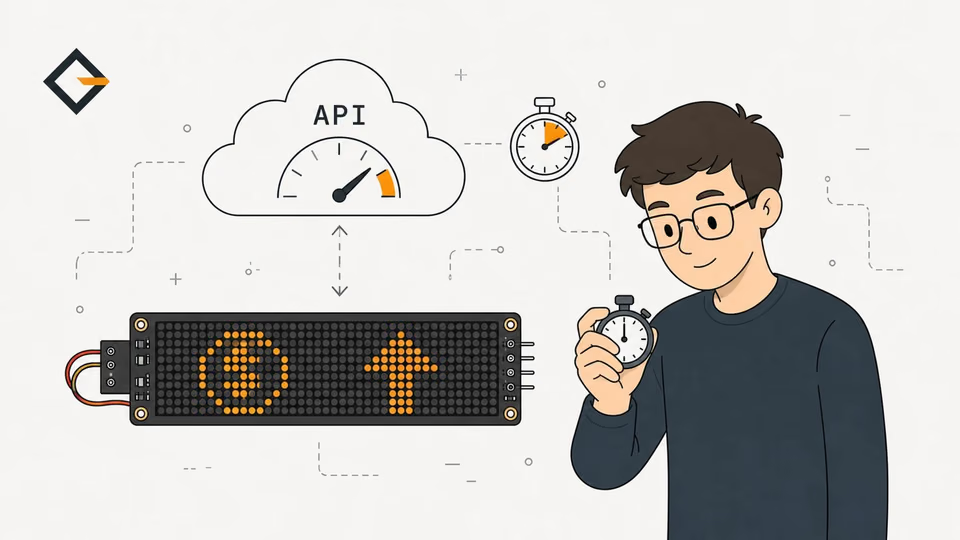
CoinGecko API on ESP32: Free Limits and Polling Rate
CoinGecko's free Demo plan allows 100 calls a minute and 10,000 a month. The polling math for an ESP32, how to send the key, and what HTTP 429 means.
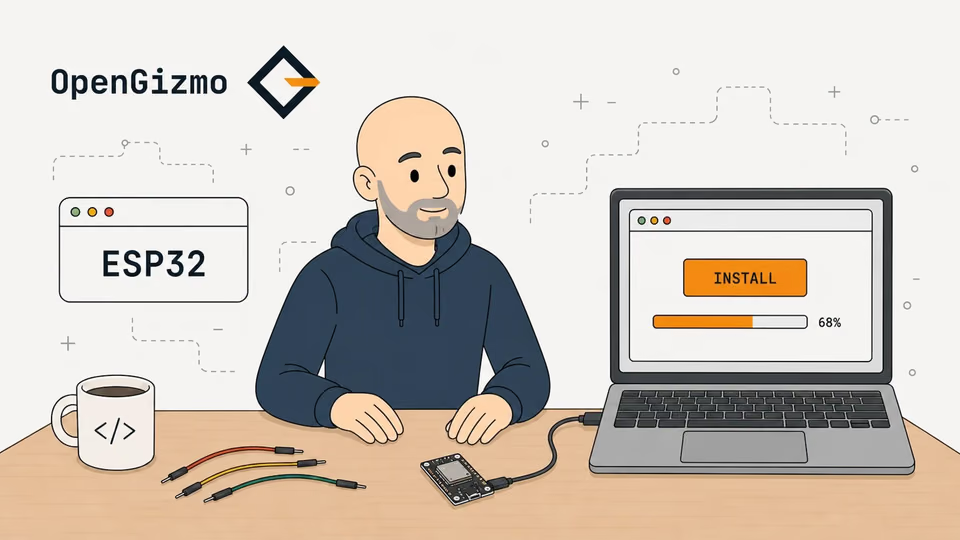
ESP Web Tools: Flash an ESP32 From Your Browser
Flash an ESP32 from the browser with ESP Web Tools or esptool-js: how Web Serial, the manifest and the flash offsets work, with a real OpenGizmo manifest.
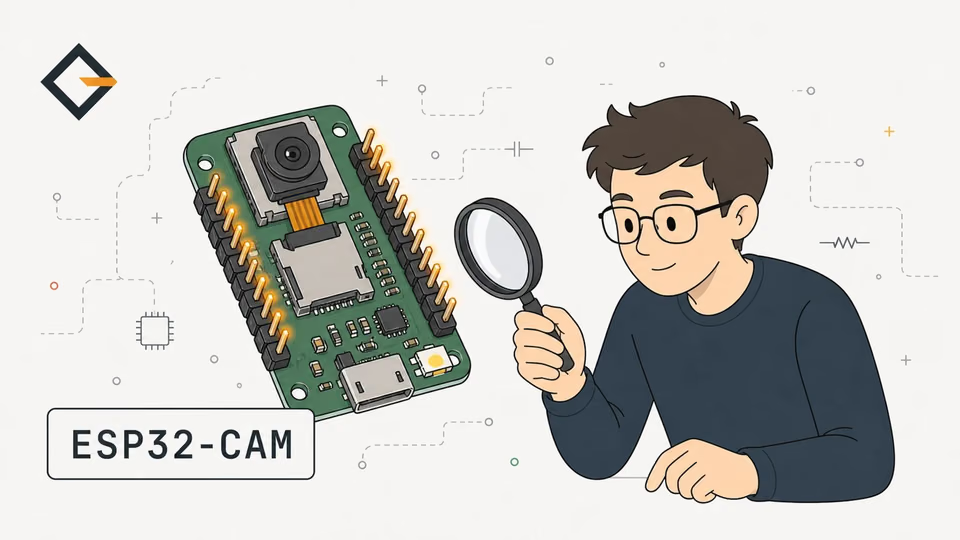
ESP32-CAM GPIO Pins: Which Are Really Free
Which ESP32-CAM GPIO pins you can use: GPIO13 and GPIO12 in 1-bit SD mode, GPIO4 flash LED, GPIO16 PSRAM, strapping pins, from the AI Thinker schematic.
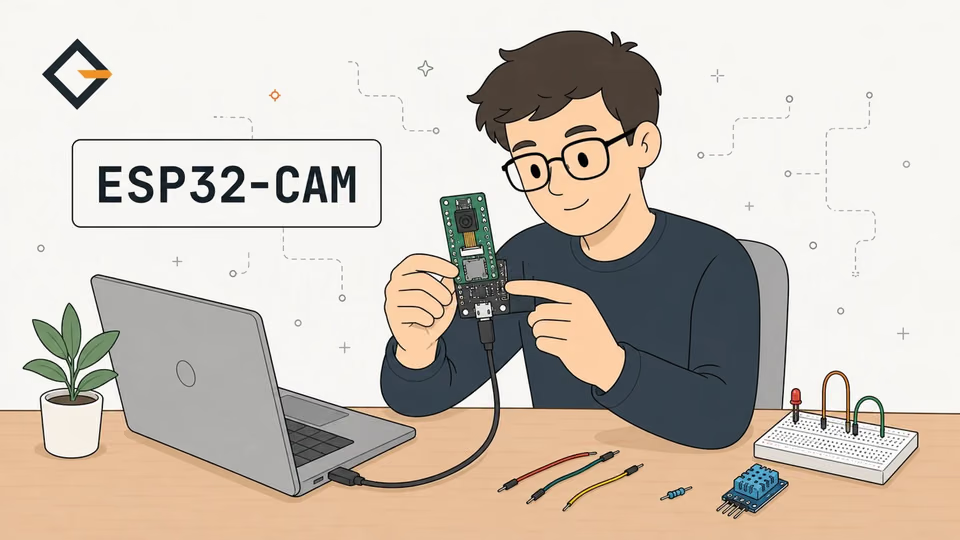
ESP32-CAM-MB: Program the ESP32-CAM Over USB
How to program an ESP32-CAM with the ESP32-CAM-MB USB board: what it contains, the IO0 and RST button sequence, flashing from Chrome, and what fails.
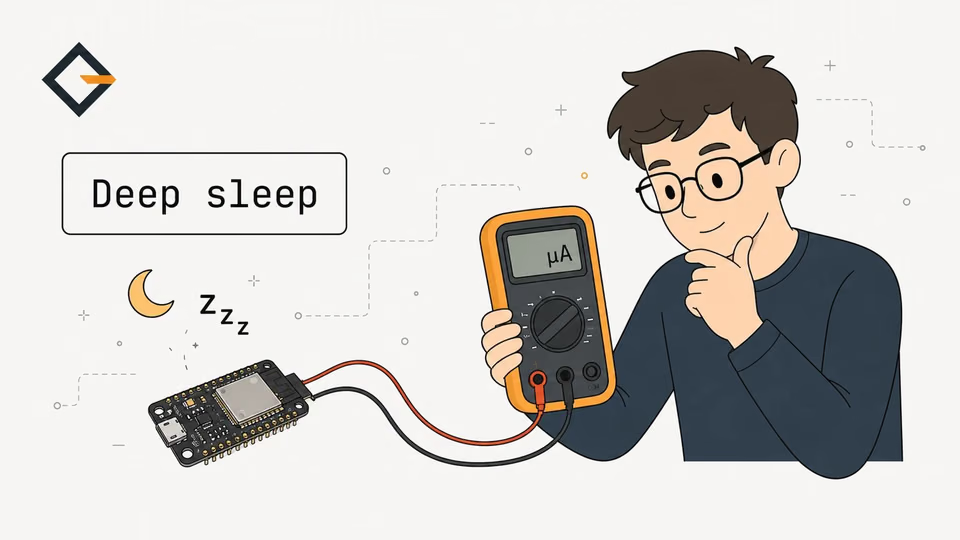
ESP32 Deep Sleep Current: Chip vs Dev Board
ESP32 deep sleep current is 5 to 10 µA for the chip, but 14 µA to several mA on a dev board. Datasheet figures, wake-up sources and battery life math.
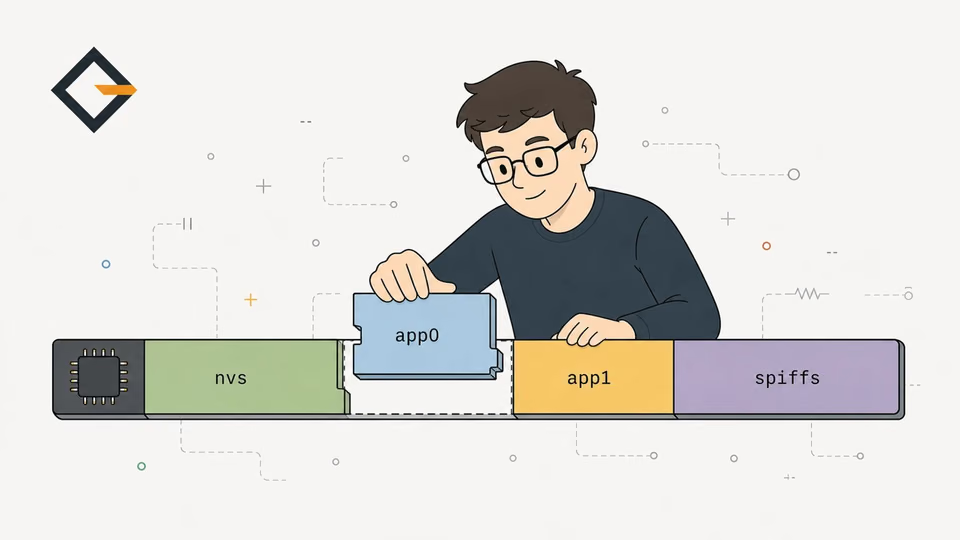
ESP32 Partition Table Explained: Flash Layout and OTA
What the ESP32 partition table is, how the partitions.csv columns work, the Arduino-ESP32 schemes with sizes, flash offsets by chip, and what N16R8 means.
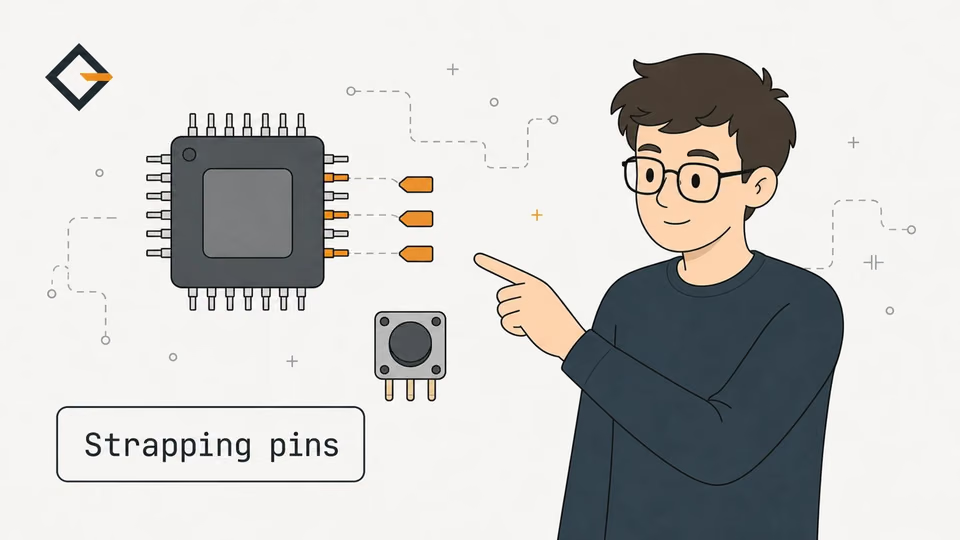
ESP32 Strapping Pins by Chip: S3, C3, C6, Classic
Every ESP32 strapping pin on the classic ESP32, S3, C3 and C6 with its default level and what it selects, straight from the datasheets, plus safe-use rules.
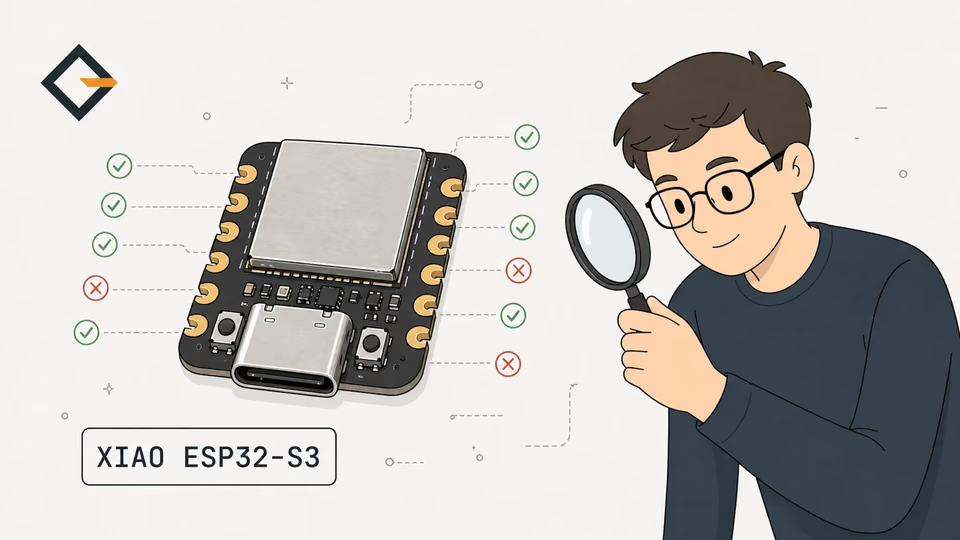
XIAO ESP32-S3 Pinout: Which Pins Are Safe to Use
XIAO ESP32-S3 pinout: D0 to D10 mapped to GPIO, the default I2C, SPI and UART pads, the one strapping pad to avoid, and two real firmware pin maps.
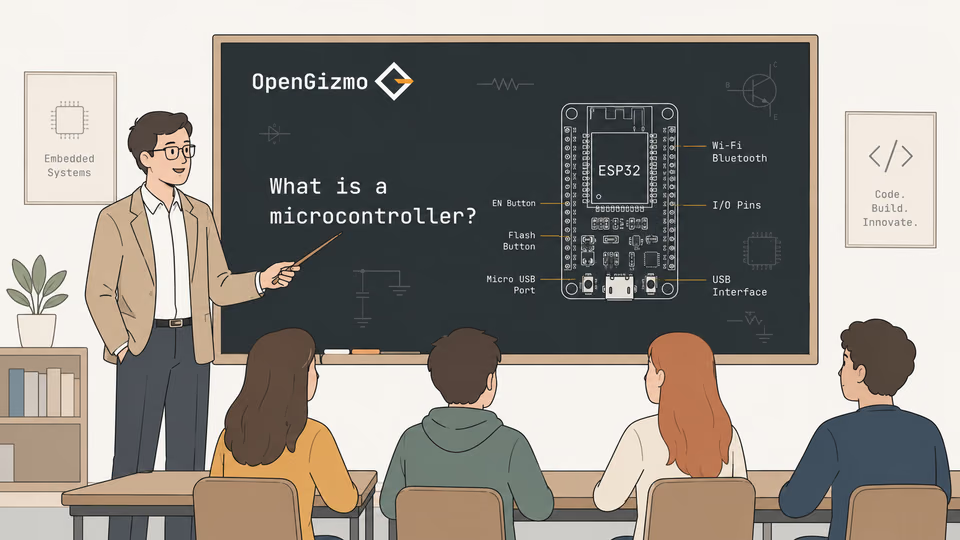
What Is a Microcontroller? Parts, Examples and ESP32
A microcontroller is one chip with a CPU, RAM and programmable pins that runs a single program. How it works, how it differs from a Raspberry Pi, what to buy.